
WHO warns nicotine pouch boom is fuelled by youth-focused marketing – Expert reaction
15 May 2026
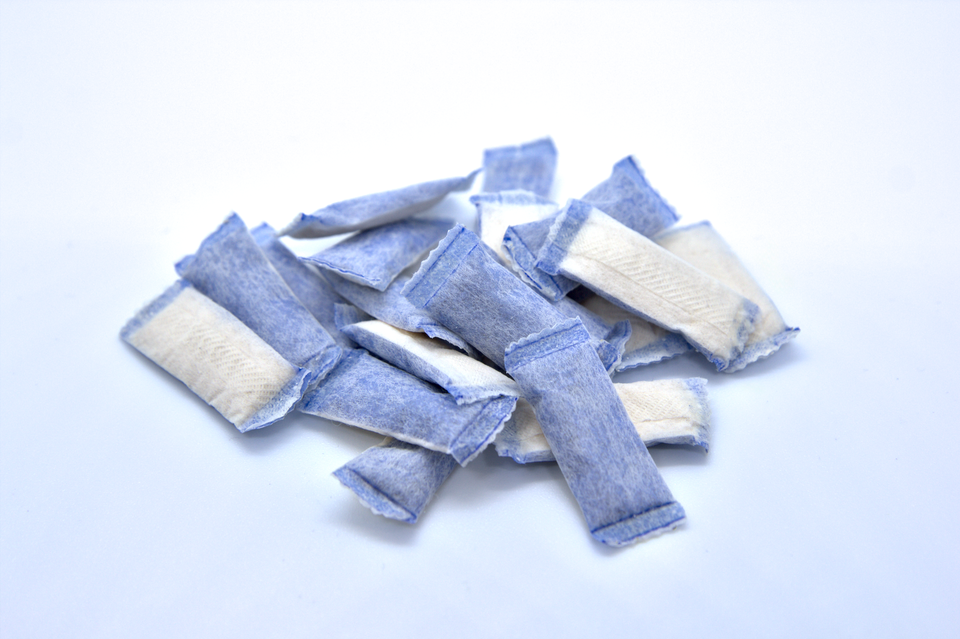
Image by Daniel Wiberg via Wikimedia commons
The global rise of nicotine pouches is outpacing regulation and creating urgent public health risks, according to a WHO report examining the industry’s marketing tactics.
The report published this morning highlights concerns about high nicotine delivery, misleading health messaging, youth-targeted advertising, and products with candy-like packaging and flavours. WHO warns that without coordinated action, nicotine pouches could fuel lifelong addiction and undermine gains made in tobacco control.
The report comes as Ireland considers new restrictions on nicotine products through the Public Health (Tobacco Products and Nicotine Inhaling Products) (Amendment) Bill.
The All Ireland SMC asked local experts to comment.
Associate Professor Kate Frazer, School of Nursing, Midwifery and Health Systems, University College Dublin, comments:
“I welcome the World Health Organization’s latest report, Exposing marketing tactics and strategies driving the global growth of nicotine pouches, which highlights how the tobacco industry is using familiar marketing tactics to grow a billion-dollar nicotine pouch market, including approaches that appeal to children and young people.
“These products are often promoted in ways that create the impression they are low-risk or safer, despite concerns about nicotine addiction and long-term health impacts. WHO reports that nicotine concentrations vary widely, with some high-strength pouches containing up to 150 mg of nicotine.
“Flavours, attractive packaging, and social media promotion, including influencer marketing, may not always clearly disclose commercial relationships and can mislead young people about the risks. These strategies echo the tobacco industry’s longstanding playbook of shaping public opinion, challenging scientific evidence, and lobbying to weaken tobacco control laws.
“Ireland is advanced in drafting legislation to prohibit the sale of nicotine pouches to under-18s and to remove these products from point-of-sale displays in mixed retail outlets, as part of wider public health regulation and protections. At a time when regulations are changing globally, it is critical that Ireland stands firmly behind the evidence base and demonstrates strong leadership in protecting children and young people from nicotine addiction and harmful industry practices.”
Declaration of interest: No conflicts of interest to declare
Dr. Vikram Niranjan, Assistant Professor of Public Health, School of Medicine, University of Limerick, comments:
“The WHO report on nicotine pouches exposes familiar tobacco industry tactics repurposed for a new era. As a public health expert with research in cancer control, I’ve seen how these strategies—lifestyle marketing portraying products as modern, stress-relieving fun, discreet youth sponsorships at festivals, and influencer campaigns on platforms like Instagram—directly mirror cigarettes and e-cigarettes. This raises serious concerns about a new generation becoming addicted to nicotine.
“Although nicotine pouches may be positioned as “cleaner” or more discreet alternatives to smoking, these framing risks obscuring their role in sustaining nicotine dependence at a population level. The emphasis on concealability and social acceptability is especially problematic in school and social settings.
“For Ireland and the NI, where progressive tobacco control policies have delivered substantial gains, regulatory gaps around emerging nicotine products could undermine hard-won progress. The current legislative momentum presents a critical opportunity to apply comprehensive, precautionary regulation that prioritises youth protection and prevents the renormalisation of nicotine use in society.”
Declaration of interest: I declare no conflict of interest.
Professor Luke Clancy and Professor Joan Hanafin, Principal Investigators, Tobacco Free Research Institute Ireland, Technological University Dublin, comment:
“The Tobacco Free Research Institute Ireland welcomes this important and timely report.
“We recognise the roll the industry plays in addicting our children to nicotine, leading to lifelong problems of addiction, huge cost, impaired brain development, and poor school results while in their teens. When they grow up these problems remain but they often use other nicotine products including cigarettes and develop lethal diseases such as heart attacks, strokes, Chronic Bronchitis (COPD) and lung cancer, all resulting in great disability while alive and then early death, with on average some 10-20 years of life lost. The list of other diseases is long and not inconsequential.
“In Ireland, Nicotine pouches are not regulated at present, partially because the nicotine may be synthetic and may not be covered by the Tobacco Act. Even if regulated, teenagers would still access them but obviously less easily or frequently. Regulation would also signal some of the dangers associated with nicotine use. We recently published in ESPAD Ireland 2024 that 7.6% of teenagers in Ireland have used nicotine pouches, 9.6% of whom were boys and 5.3% girls. An increased percentage of these young people will probably go on to smoke and die young because nothing was done to stop it.
“Yesterday, ENSP sent an Open Letter to Ursula Ursula von der Leyen, President of the European Commission, to which we are signatories, and we will be presenting on Emerging Nicotine Products in Ireland at the European Conference on Tobacco or Health in Milan next week.”
Declaration of interest: none received
Our friends at the UK Science Media Centre also gathered comments
Dr Harry Tattan-Birch, Senior Research Fellow in the Department of Behavioural Science and Health, University College London (UCL), said:
“The WHO report shows the wide-reaching ways in which nicotine pouch companies are trying to sell their products, including in ways that may appeal to young people, and how these products have fallen between the cracks of existing legislation. Because they do not contain tobacco leaf, and are not vapes, they have often not been covered by tobacco- or vape-specific rules. The UK’s Tobacco and Vapes Act 2026 is an important step towards closing this gap, by bringing nicotine pouches into a clearer regulatory framework, including introducing restrictions on advertising and a ban on sales to children.
“However, governments need to regulate these products with relative harms in mind. Nicotine pouches do not produce smoke or require inhalation into the lungs, meaning they are likely to be substantially less harmful to health than cigarettes. The WHO report states that 16 countries have banned the sale of nicotine pouches. But an outright ban on nicotine pouches, while cigarettes remain widely available, could be counterproductive for public health. In the UK, most people who use nicotine pouches have a history of smoking or vaping, so policy should avoid unintentionally pushing them towards more harmful nicotine products. The challenge for governments is to reduce the appeal and accessibility of pouches to children and people who would otherwise not use nicotine, while preserving their potential as a lower-risk alternative for adults who smoke.
“Data from the Smoking Toolkit Study show that increasing numbers of smokers in Great Britain are using nicotine pouches during attempts to quit smoking. However, the WHO report is right to treat claims about smoking cessation cautiously. The recent Cochrane review found that the current evidence is too limited and uncertain to conclude that nicotine pouches help people quit smoking. More studies are needed, particularly comparing nicotine pouches with established quit aids such as nicotine replacement therapy and e-cigarettes, before we can know whether they are a useful method for smoking cessation.”
Declaration of interest: Dr Harry Tattan-Birch: “I have no links with the tobacco or nicotine industries.”
Dr Jamie Hartmann-Boyce, Assistant Professor of Health Policy and Management, University of Massachusetts Amherst, said:
“There is a large, robust body of evidence showing that giving people who smoke nicotine in another form can help them quit smoking, for example through nicotine replacement products like patches, gums and lozenges, and through nicotine containing e-cigarettes. This is important, because nicotine is not the ingredient in cigarettes that causes cancer, so moving people off of cigarettes onto another form of nicotine can reduce health risks. We don’t yet have enough evidence on whether oral nicotine pouches can help people quit smoking, but large, independently funded studies are currently underway, meaning we should get more answers soon.”
Declaration of interest: “I don’t have any disclosures.”
Prof Caitlin Notley, Professor of Addiction Sciences, Norwich Medical School, University of East Anglia (UEA), said:
“The WHO report is a comprehensive report on oral nicotine pouches. It suggests that claims that nicotine pouches are helpful smoking cessation aids are unsubstantiated. This is not quite accurate, as there is emergent evidence of the potential role of nicotine pouches for smoking cessation, despite them not being licensed as an approved cessation aid.
“Our research group has just completed a qualitative analysis of public perceptions of nicotine pouches using over 20,000 data points gathered from publicly available comments on YouTube content. A major finding was that people with lived experience discussed how they had found nicotine pouches helpful to transition away from tobacco smoking, and also potentially nicotine vaping. Although this is exploratory evidence, it is clear that reduced harm ‘non-medicalised’ consumer options to support smoking cessation are helpful for some, in addition to licensed and approved medications, which may appeal to different groups of people.
“Although the 2025 Cochrane review reported limited evidence on the use of oral nicotine pouches for cessation or reduction of cigarette use, this is because good quality research evidence is not yet available. Limited, short‐term data did not identify any serious health harms from using nicotine pouches when used to help people transition away from tobacco smoking. To support people to quit smoking, choice is important.”
Declaration of interest: “No conflicts of interest.”