
Ireland enters first summer “living with bluetongue” across the island – Expert Q&A
27 April 2026
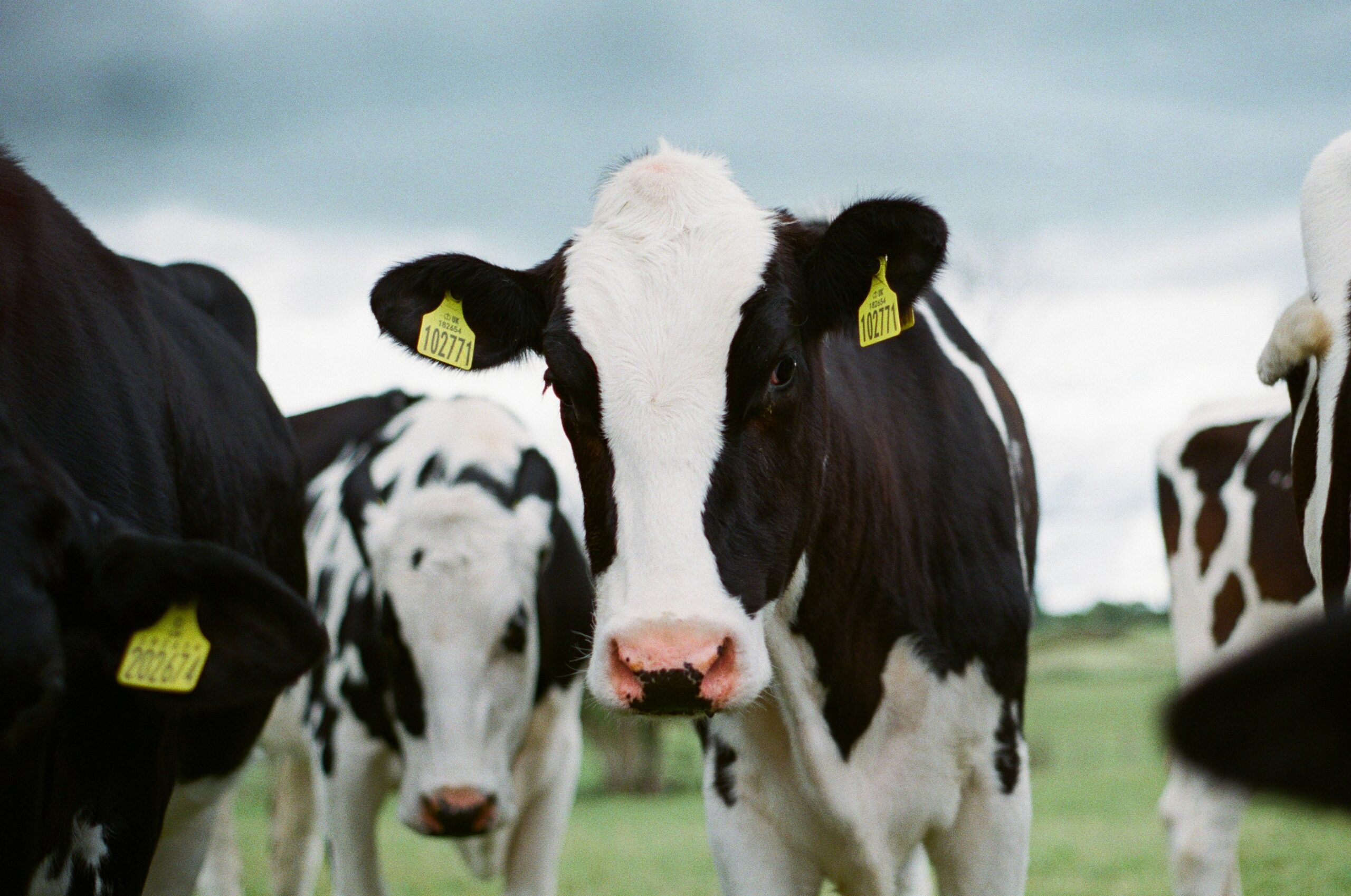
Image by Jakob Cotton via UnSplash
Ireland is entering its first summer with bluetongue virus in circulation, with seasonal increases in midge activity and warmer weather expected to raise the risk of spread.
The All Ireland SMC asked local experts to comment.
Dr Gerald Barry, Assistant Professor of Virology & Deputy Director of the One Health Centre, University College Dublin, comments:
- Given current case levels, how likely is bluetongue to spread across the island during the summer, and what factors will shape that?
“Cases of Bluetongue infection in farm animals have been confirmed all along the eastern side of Ireland, to date. The virus has been seeded there, and has likely overwintered, cycling at a low level between small numbers of animals and culicoides midges. Although activity of these midges never stops, it reduces a lot during the winter because of the colder weather. Culicoides midge activity starts to pick up again from march onwards, and this increases each month, peaking around the beginning of July, and then decreases slowly, reaching its lowest activity levels again in around November. Warmer weather tends towards increased midge replication as well as biting activity. Warmer weather also increases the replication of the virus inside midges so the chances of a midge transmitting the virus also increases. Wind also plays a role, along with rainfall. Very windy conditions reduce the ability of midges to fly effectively, so areas of high wind are a little less vulnerable. Rain is also a factor – midges thrive in damps, conditions that provide areas of standing water for them to lay their eggs. Light rain is good for midges, higher humidity is also good for egg survival and development. Heavy rainfall isn’t ideal as it can affect flying and wash larvae or eggs away. This combination of factors means that Bluetongue is more likely to infect more animals during the warmer months.
“Although we have never had a summer with Bluetongue before, we do have other viruses such as Schmallenberg virus, which also infects cattle and sheep and is spread by the same midges. Although a different virus with slightly different dynamics, we can probably learn about Bluetongue spread from what Schmallenberg did when it first came to Ireland in 2012. In the case of Schmallenberg virus, it spread effectively in the East and South of the country but had limited impact in the North West. Over time it slowly spread to these other regions but that took a few years. So, based on that one might predict that Munster and Leinster (particular more Easterly counties) should expect to see cases this year with other counties more vulnerable as time goes by. The big difference with Schmallenberg however is that Bluetongue is notifiable and is more heavily monitored and there is a vaccine available, so these factors might slow it and make outbreaks more sporadic.”
- Are current surveillance and control measures still focused on preventing and containing the disease, or has the focus shifted toward managing its impact?
“Bluetongue is here, it is going to be difficult to eradicate through intervention. As a country, we are now in the ‘living with it’ phase, we are no longer trying to eradicate it. The focus should now be on understanding where it is, what the risk to your farm is, if you are a farmer of animals such as cattle or sheep, and the question to ask is whether it is worth vaccinating your animals or not. Surveillance is vital here. Both of where the virus is and what version of the virus is actually spreading. It is important to monitor any changes in the virus to ensure the vaccine still remains effective. Vaccination won’t prevent infection but it will reduce the disease in the animals and it will reduce onward transmission risk so you will be helping to reduce the risk for other farmers. If all cattle, for example, were vaccinated, it would collectively reduce the risk for all farms.”
- What could a wider outbreak mean in practical terms for livestock farmers?
“If a farm gets bluetongue it can cause clinical disease in the animals. The virus can also cause infertility, abortions and poor lambing and calving outcomes. That is more likely in sheep than cattle, but even cattle can have reduced productivity for a period after infection.
“Cattle remain infected for months so can act as spreaders of the virus for extended periods, making the rest of the animals in your herd continuously vulnerable. In sheep it can be more devastating, with higher rates of clinical disease and death in some cases. It will also reduce productivity. In both animals it can also cause an increase in abortion rates, so Autumn calving animals, for example, become vulnerable in that scenario. There is currently no restriction on animal movement in Ireland or on milk if a farm gets Bluetongue. There may be some impacts on international movement of animals, depending on the country the animals are being moved to, as some countries have restrictions in place.”
- What role can vaccines realistically play in limiting spread and impact across the island?
“The serotype that is circulating is Bluetongue 3 (BTV3). Thankfully there is a vaccine for that version. Unfortunately however, it’s not brilliant. Vaccination won’t prevent infection but it will reduce the disease in the animals and it will reduce onward transmission risk, but doesn’t stop it.
“If you decide to vaccinate your animals, you will be helping to reduce the risk for other farmers and you will reduce the impact of the virus in your herd / flock. If all cattle, for example, were vaccinated, it would collectively reduce the risk for all farms. However, the advice from DAFM is very much pushing the responsibility on to farmers, rather than giving very clear instructions. The vaccine is available, it’s up to each individual farmer to decide for themselves if it’s needed or not. This, for some is a good thing, but for others, it is confusing – should they or shouldn’t they? – that grey space is difficult sometimes and may lead to confusion or frustration in farming communities.
“It has a small bit of a ‘suck it and see’ type feel to the approach, because we don’t know exactly what Bluetongue is going to do and we don’t know what the impact will be. The hope is that the vaccine won’t be needed at widespread levels, and thus won’t need to be government funded. That is perhaps a sensible approach but it is also a bit of a gamble – an educated one, but also still a gamble. The presumption is that the virus will do what it did in the UK, which has been relatively low impact with sporadic infections. Hopefully that will be the case. The cautious, but expensive approach would be to vaccinate all cattle and sheep. That wouldn’t get rid of it but would reduce the infectious load in the country, reduce spread and therefore reduce impact.”
- Anything else you think farmers/ the wider public should know?
“Some key things:
- Bluetongue does not infect humans so there is no risk to people through bites from midges, or through eating dairy products or meat.
- Bluetongue is here and we have to get used to it. Farmers, be vigilant, keep a watch on animals, as you would always do and if detected, deal swiftly with those infected animals, if feasible to do so.
- Farmers: Consider vaccination. There are a few different ones on the market – and all are licensed in Ireland. Consult your vet if considering use. Vaccination will reduce clinical signs and reduce the likelihood of impact on productivity, fertility, lambing, calving etc. If I was a farmer I would vaccinate my animals, particularly if my farm was in an Eastern or Southern County. I would also seek to understand what farmers in my locality were doing. If I had a farm close to lots of other farms with cattle or sheep and they were not vaccinating, the risk to my herd or flock increases, so that would increase my desire to vaccinate.
- Think about areas of stagnant water, or marshy land – ideal breeding grounds for midges. Try to keep animals away from these areas, if possible.
- Wide scale use of insecticide to control midge populations is not recommended at this point.”
Declaration of Interest: “I have no conflicts of interest.”
Dr Connor Bamford, Lecturer, School of Biological Sciences and The Institute for Global Food Security, Queen’s University Belfast, comments:
- Given current case levels, how likely is bluetongue to spread across the island during the summer, and what factors will shape that?
“It is likely that we will see greater spread of BTV across the island of Ireland this year compared with last, given the extent of infections found last season and the chance that the virus could survive in Ireland through the winter in midge or mammals and be able to initiate outbreaks earlier in the season. However, climatic or weather factors -and the different strains of the virus – could alter this, which are hard to predict. And even more challenging is to forsee the impact of BTV on animal health.”
- Are current surveillance and control measures still focused on preventing and containing the disease, or has the focus shifted toward managing its impact?
“It is likely that given how rapid BTV can spread via infected midge, that the situation across the island of Ireland, would be too challenging, costly and ineffective at constraining the infection. Current measures appear to reflect this, such as making it easier to vaccinate animals now in NI, and seeming lack of significant extension to region-wide active surveillance. However, control measures would be updated in light of developments and so could change if for example progression was slower than anticipated.”
- What could a wider outbreak mean in practical terms for livestock farmers?
“An outbreak that affected the whole island would have clear and significant negative impacts to local farmers through impacts on the health of their animals, reduction in trade, and increased costs from vaccination. However, the extent of this is hard to predict and so far acute impact on animals in UK is lower than that observed in mainland Europe.”
- What role can vaccines realistically play in limiting spread and impact across the island?
“Vaccines are available to protect against bluetongue and could reduce spread but are mostly used to mitigate the impact on animal health and welfare (e.g to negative impacts on reproduction), which has economic implications. There is a vaccine available against BTV-3, the main strain involved in this outbreak, but another strain BTV-8 is co-circulating in GB and Europe and easier-to-access BTV-3 vaccines will not protect against BTV-8.”
- Anything else you think farmers/ the wider public should know?
“I think it is important to keep in mind that BTV is only one of many emerging vector-borne infections out there that Ireland does not currently have but with climate change is predicted to be a victim of.”
Declarations of interest: No conflicts of interest
Lucy Devlin, PhD student, School of Biological Sciences, Queen’s University Belfast, comments:
“As temperatures rise, biting midge activity increases, especially during warm and humid conditions. This can lead to more midges and more biting, raising the potential for transmission of viruses such as bluetongue virus. Warmer conditions can shorten this period, meaning midges may become infectious more quickly. However, very high temperatures can reduce midge survival, so transmission often peaks at moderate temperatures.
“Transmission risk is also influenced by the movement of infected midges from regions where virus circulation is already established, such as Great Britain. These midges can be transported over long distances by wind, meaning risk may be shaped by both local midge activity and the introduction of infected midges into new areas. In addition to temperature, factors such as moisture, habitat, midge species, and the level of virus already circulating all play an important role in shaping transmission. With bluetongue virus present in Great Britain and detected in Northern Ireland and the Republic of Ireland, favourable conditions could support earlier and more widespread circulation than observed last year. While midge activity is likely to increase, how this translates into cases will depend on local conditions and existing virus circulation, with ongoing surveillance important for tracking this.”
Declaration of Interest: “I’m a DAERA-funded PhD researcher at Queen’s University Belfast investigating how environmental change affects midge ecology and farm disease risk.”