
Fodder concerns mount as drought drags on — Expert Reaction
18 August 2026
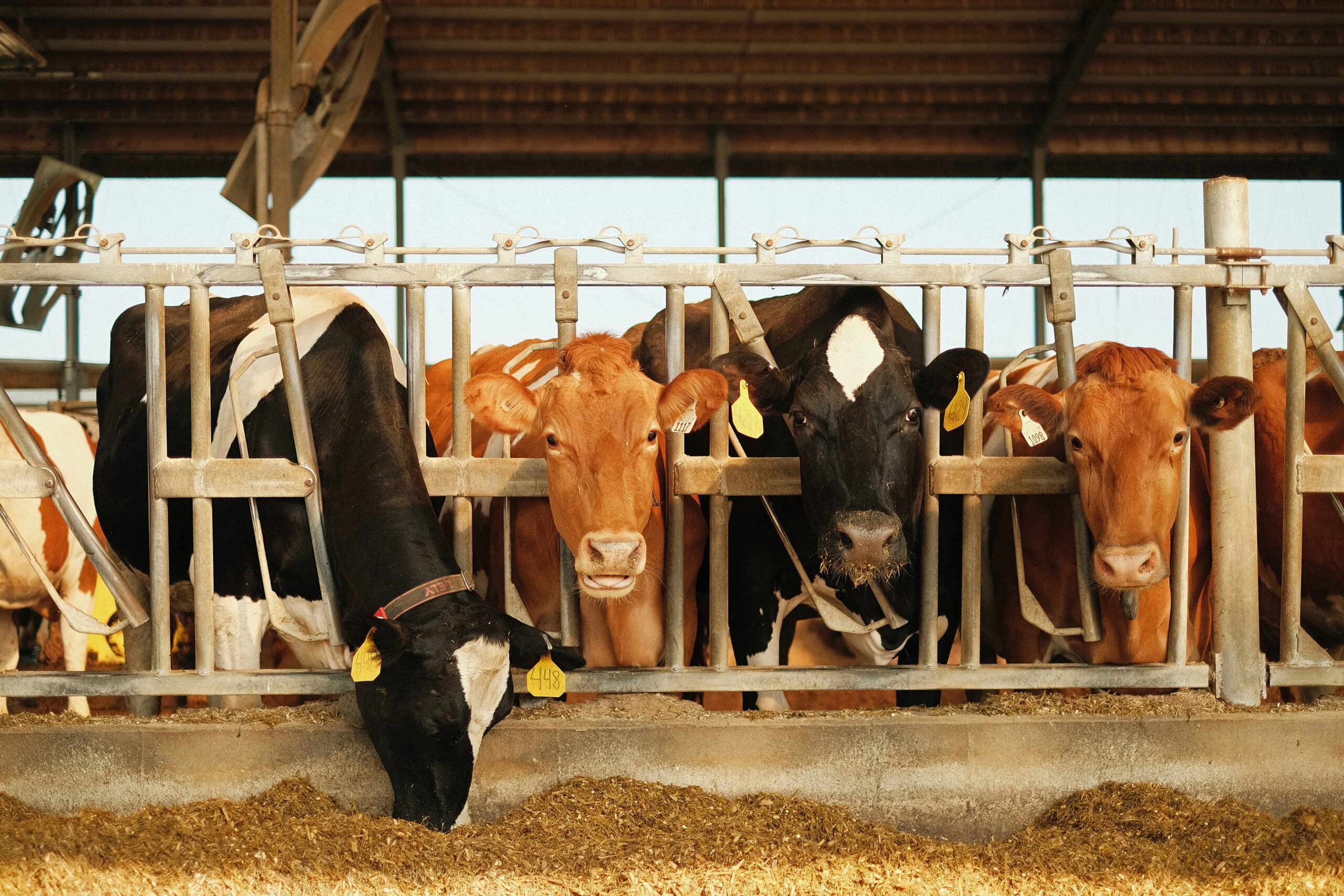
Image by Austin Santaniello via UnSplash
Ireland is experiencing its driest conditions in years, with grass-growth this summer running at just 10 and 20% of normal levels in the east and south, and 50-75% in the southwest.
The government’s National Fodder and Food Security Committee will meet this week to discuss what support might be needed if the dry weather continues, as many farmers have already started feeding animals silage and bought-in feed meant to last through winter.
The All Ireland Science Media Centre asked experts to comment on the likelihood of future fodder crises and what can be done to ease the impact of extreme dry conditions in a changing climate.
Dr Paul Leahy, Senior Lecturer in Wind Energy, University College Cork, comments:
“Projections of grass yields under future climate change in Ireland show that the growing conditions seen in 2026 will become more prevalent in future summers. Average temperatures will increase and average moisture availability in the soil will decrease. The current situation is concerning as low Autumn growth will reduce the fodder stored for animals in Winter and Spring, and also may delay growth next Spring. This can further exacerbate the situation and may lead to a multi-annual fodder crisis emerging.
“Several measures can be considered to help mitigate the effects of extreme weather and prevent future fodder crises. Earlier closing of pastures from grazing in Autumn allows them to better recover the following Spring. Other research has found that planting other fodder species with grass can make pasture systems more drought-resilient, and early warning systems based on long-range weather forecasts can be employed to help farmers identify risks and take timely action.”
Declaration of interest: Professor Leahy is an author of the EPA-funded ClimAg report cited in his comment. He declares no other interests.