
COP31: EU moves to back ‘35 by 35’ electrification goal – Expert Reaction
18 November 2026
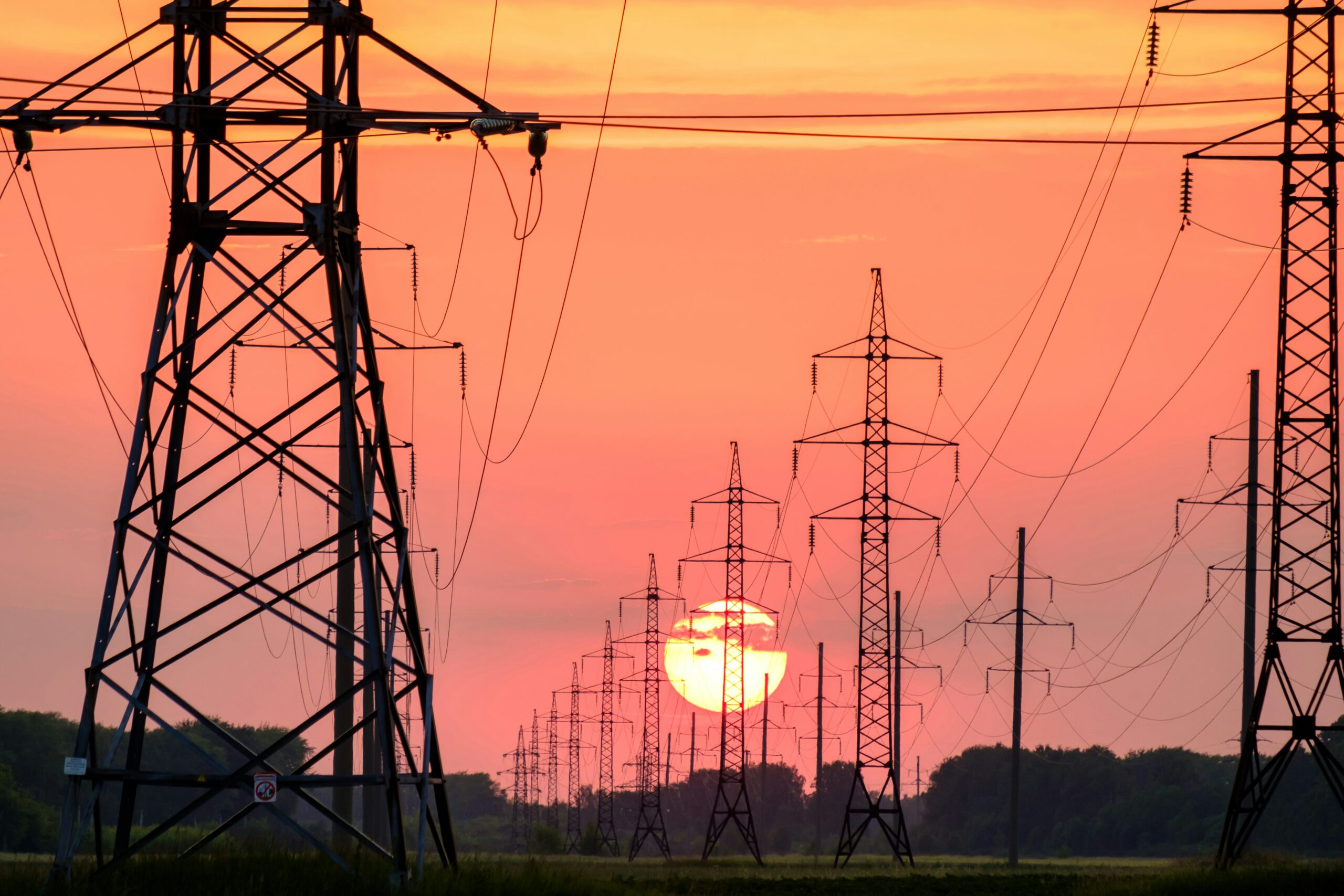
Image by Andrey Metelev via UnSplash
Speaking for the EU yesterday, Minister Darragh O’Brien confirmed the bloc is ‘in the process of endorsing’ the COP31 Presidency’s ‘35 by 35’ electrification goal, after launching Phase 1 of Ireland’s National Electrification Roadmap at the summit on Monday.
Under the target, electricity would supply 35% of global final energy consumption by 2035, up from about 23% now. A call to back the target is included in the draft negotiating text, which needs consensus from every party to make it into the final deal. There is also a separate voluntary pledge that countries can sign. Debate continues over whether the targets should apply only to clean energy.
The All Ireland Science Media Centre asked experts to comment.
Dr Barry Hayes, Associate Professor, School of Engineering, University College Cork, comments,
“The “35-by-35” global electrification target being discussed at COP31 is welcome. However, previous experience has shown that such targets are meaningless if they are voluntary initiatives – to be effective, this electrification target must come with legally binding commitments.
“In Ireland, increasing the share of electricity in our overall energy consumption is not only important for mitigating climate change, but it is also essential for our energy security and for reducing energy costs. Increased electrification is crucial since it reduces our reliance on imported fossil fuels. Oil and gas imports are the main driver of energy prices in Ireland (which are currently the highest in Europe).
“While we have enormous potential to generate clean electricity in Ireland, the main bottleneck is our electricity grid. Our grid has suffered from decades of underinvestment, and planning issues have hampered the development of critical infrastructure projects (the North-South Interconnector being the most notorious example).
“As a result, our electricity grid is highly constrained. We have very high levels of electricity “dispatch down”, cases where renewable generators need to be turned down or switched off due to grid constraints. New renewable energy projects wait for years to access the grid, and our network struggles to support a rapidly growing electrical demand.
“Massive investment and public buy-in will be needed in the coming years to resolve these problems and convert our heating and transport systems away from dirty, imported fossil fuel and towards clean, indigenous electricity sources.”
Declaration of interest: “no conflicts to declare”
Professor Brian Ó Gallachóir, Associate Vice-President of Sustainability, University College Cork, comments
Note: Prof Ó Gallachóir is attending COP31 as part of the UCC delegation
“One of the big discussion points at COP-31 is the proposed global agreement on a target for the electrification on energy, namely increasing the share of electricity to 35% of global energy use by the year 2035, i.e. 35-by-35. This is timely and important as it addresses a key gap in the current global targets related to the transition away from fossil fuels. In COP-28 in Dubai, nearly 200 countries pledged to triple the total amount of installed renewable power and to double the amount of energy efficiency globally by the year 2030 relative to 2022 levels. Transitioning road transport energy use from petrol and diesel to electricity via electric vehicles and switching home heating and other buildings from oil and gas to electricity via heat pumps is very complementary to the renewables and efficiency targets and can make a significant contribution to greenhouse gas emissions reduction. Electrification is a missing piece of the climate mitigation jig-saw.
“The electrification 35 by 35 target is mentioned in the first draft text of the COP-31 text but it is unclear at this stage in the negotiations whether it will remain in the final agreed text or how strong the electrification commitment will be. The European Union has endorsed the target and Ireland is leading the EU negotiations with other countries to support it. There are differing views on whether the target should be included at all, and also whether it should be ‘clean’ electrification only, with concerns that if this is not specified, it will allow for fossil fuel generated electricity to meet the electrification ambition. On the other hand, specifying clean electrification will make it more difficult to get agreement on including the target. In addition, more additional electricity generation capacity globally is coming from renewable energy power plants than from fossil fuel power plants.
“In an Irish context, electrification is underway with many policy supports and incentives in place for a number of years now both for electric vehicles and for heat pumps. Demand for both of these increased significantly in the past six months prompted not only by growing climate action, but bolstered by the rising costs of petrol, diesel, home heating oil and gas.
“At one of the COP 31 side events discussing electrification and phasing out of fossil fuels, I mentioned that Ireland has seen an increase in electrification in the past few years that is due more to the growth of data centres adding to our electricity use rather than the electrification of transport and heat. This data centre electricity demand growth over the past five years is outpacing the growth we have achieved in renewable electricity supply. We did meet our emissions ceiling for electricity associated with Ireland’s 1st carbon budget, but this was helped by the increase in electricity imports, which together with the growth in renewable electricity supply were higher than the growth in electricity demand.
“Climate and Energy Minister Darragh O’Brien launched Ireland’s first Electrification Roadmap here at COP-31 yesterday, which showed that electricity represents 24% of Ireland’s energy end use, slightly higher than the global electrification share, which is 23%, according to the International Energy Agency. This first phase of the roadmap maps the 130 separate policies, programmes, regulatory measures, investments and initiatives supporting electrification that will underpin phase 2 , which will focus on what else needs to be done. It correctly highlights that ‘progress should be assessed through outcomes: electricity’s share of final energy use, fossil-fuel displacement, electrification of transport and heating, industrial fuel switching, electricity-system readiness and consumer/economic benefits’. However it also clarifies the challenge for Ireland, indicating the current policies and measures are projected to bring us to approx 33% by 2040, a significant distance from the global 35% by 2035.
“Accelerating electrification, similar to the phasing out of fossil fuels, faces many societal challenges, requiring political leadership, investment decisions, public sector and private sector leadership, targeted policies (including considering ‘sticks’ as well as ‘carrots’ to accelerate electrification e.g. banning over time petrol and diesel cars and buses and oil and gas boilers) and increased societal capacity.”
Declaration of interest: none received
Associate Professor Paul Cuffe, School of Electrical and Electronic Engineering, University College Dublin, comments:
“On the face of it, electrification is a good idea: plug your economy into the electricity network, then spend the next few decades making that grid as clean as you can. If a rhyming target like ‘35% by ‘35’ gets people excited about that project, then fair enough. It’ll keep electrical engineers like me busy, if nothing else!
“Just be wary of what a ratio like that might conceal, though. Picture some impossibly svelte influencer on Instagram selling their new diet: 35% of your calories must come from leafy greens, they declare. Let’s all #eatclean! But there are two ways to hit that target. You can eat fewer chips. Or you can keep the chips and pile a bucket of photogenic kale onto your plate. Same greasy spuds (same expanding waistline!) but the ratio now looks much better. Arguably, data centres are playing this role for Ireland: they use over a fifth of our electricity and push up our ‘electrification’ percentage, without replacing a single oil boiler.
“Of course, Ozempic has recently exposed the boring arithmetic of actual weight loss: it was always calories in versus calories out, whatever the fad diets said about ratios. Climate change runs on the same dull accounting: a tonne of CO₂ in the atmosphere has no idea whose spreadsheet it appeared in.
“And what are all those data centres actually doing? Among other things, streaming well-lit videos of lithe influencers telling us to #eatclean, followed two swipes later by a gooey chocolate cake being sliced in oozingly slow motion. Electricity use isn’t the villain here; carbon emissions are. As an electrical engineer, I can tell you how clean each unit of electricity was. Whether that cake video was worth its little puff of carbon is more a question for a moral philosopher.”
Declaration of interest: “no conflicts to declare”
Dr Pádraig Lyons, Head of Group, International Energy Research Centre, Tyndall Institute, comments
“As the electricity system becomes cleaner, through the adoption of renewables such as wind and solar, the emissions benefits of switching from fossil fuels to electric vehicles, heat pumps and electric industrial processes increase correspondingly.
“The greatest opportunities for electrification clearly lie in passenger transport, in the form of electric vehicles, residential and commercial heating, in the form of heat pumps, and low- to medium-temperature industrial heat. Significant challenges remain around the electrification and decarbonisation of heavy industry, high-temperature industrial processes, heavy goods vehicles, aviation and shipping, where technological, infrastructure and economic barriers remain significant.
“The bottleneck is likely to be the delivery of additional electricity system capability both in terms of the network itself and the integration of demand flexibility and energy storage. Downstream of this would be the deployment of renewable generation, investment certainty, consumer adoption rates, and workforce skills.
“Electricity contribution to final energy demand has increased from approximately 20-21% in 2015 to approximately 23.6% in 2025. To achieve the 35% target by 2035, the National Electrification Strategy and government policy will need to trigger a step change in the rate of electrification than has been observed over the past decade. However, achieving this target will reduce our emissions radically and strengthen our energy security and economic resilience in an uncertain world.”
Declaration of interest: “I have received funding from SEAI’s National Energy Research Development and Demonstration (RD&D) programme, the European Union’s Horizon Europe Research and Innovation Programme Research Ireland, Department of Climate, Energy and the Environment as well as ESB. I have previously held a role at ESB Networks. I am a Fellow at the School of Engineering, University College Cork and is a member of the IEA established International Smart Grid Action Network’s (ISGAN’s) Working Group 7 on Smart Grids Transitions.”
Dr Paul Leahy, Head of Energy Engineering, University College Cork, comments:
“The 35-by-35 electrification target is an important goal for decarbonising energy, but a target based on the share of global energy consumption takes the focus away from critical infrastructure. Electricity supply and demand are connected by power grids, and the world has a huge deficit in power transmission and distribution grids. Unlike traditional centralised fossil fuel power plants, renewable resources are distributed over a wide area. Many of these areas need new lines and upgrades of existing lines. Without urgent action on grid capacity, new solar and wind farms will not be able to export their power to consumers and the 35-by-35 target will remain just a worthy aspiration.”
Declaration of interest: none received