
Biotech company hatches chicks from artificial egg technology – Expert Reaction
20 May 2026
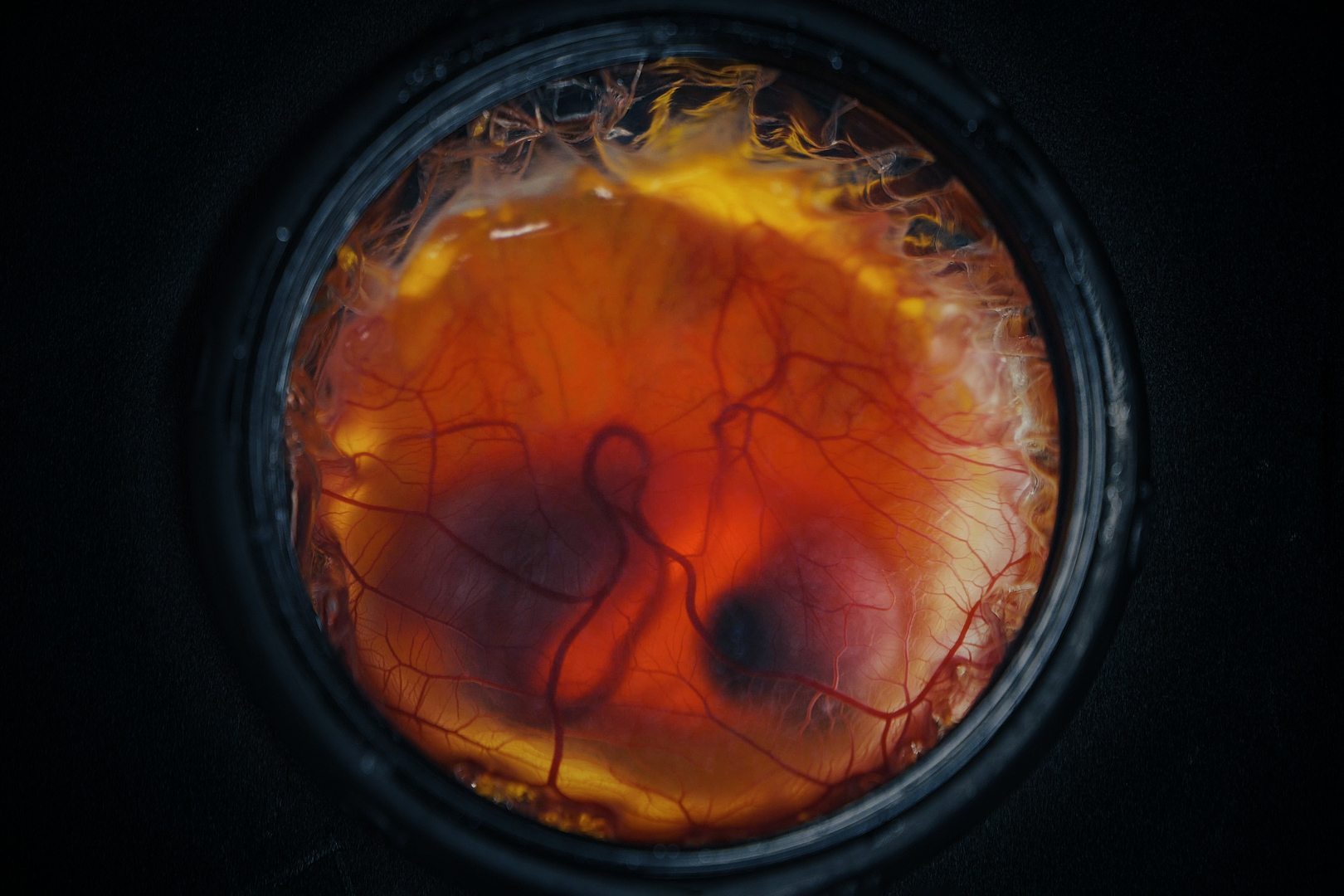
US company, Colossal Biosciences, claims it has successfully hatched chicks from an artificial egg system.
In a press release, the company says that this technology allows the complete development of an avian embryo outside of an egg shell, and could be used to de-extinct bird species such as the giant moa of New Zealand’s South Island, or help conserve endangered species.
The All Ireland Science Media Centre asked experts to comment. Our friends at the UK, Spanish, German and New Zealand Science Media Centres also gathered comments.
Dr Andrew Tighe, Research Scientist, School of Biology and Environmental Science, University College Dublin, comments:
“This announcement by Colossal marks a huge leap forward in what’s possible in bird conservation, and opens the door to new possibilities in de-extinction. Unlike mammals, where cloning was first achieved 30 years ago with Dolly the sheep using a surrogate mother, birds have very complicated reproductive systems which has hindered attempts at using surrogates. An artificial egg however bypasses the need for a surrogate entirely, which in addition to preventing invasive surgery on live animals, opens the door to cloning endangered birds and makes the de-extinction of lost birds like the moa and dodo much more achievable.”
“In Ireland where we have lost and are losing many native birds, tools like this could bolster captive breeding efforts, for example with corncrakes and grey partridge. Even further, it could be used to bring back extinct Irish birds like the Greak Auk. The original penguin, Greak Auks were big flightless sea birds that once bred around Ireland’s coast until being hunted to extinction, with the last pair on Earth possibly spotted in Belfast Lough in 1845. It’s now possible to imagine that one day boat tours could be bringing tourists to the Keeragh Islands to catch a glimpse of Irish penguins.”
Declaration of interest: “I’ve worked previously with Revive & Restore who are tangentially involved, but they’re not directly involved with Colossal’s research, and I’m not funded by them currently.”